
Can a Tooth With a Filling Get a Cavity?
Short version: yes, and it almost always starts at the edge. Here is why it happens, how we catch it before it hurts, and what the fix looks like.
Short Answer
The filling itself cannot rot. The tooth around it can. New decay usually begins in the hairline seam where filling meets enamel — a gap too small to see and too small to brush. That is why we X-ray filled teeth at every checkup instead of assuming they are finished.
Book a CheckupYes — and the Filling Is Not the Part That Decays
A tooth with a filling can absolutely get a cavity. Composite and amalgam do not break down the way enamel does, so the material is not the problem. The natural tooth wrapped around it and sitting underneath it is still living tooth structure, and it decays under the same conditions any other tooth does.
Dentists call the version that shows up at the border of an old filling recurrent decay, or secondary decay. It is one of the most common reasons a filling gets replaced. There is also a simpler possibility people forget: a filling covers one surface of a tooth, not all five. A molar filled on its chewing surface a decade ago can still develop a brand new cavity on the side facing its neighbor, which has nothing to do with the old repair at all.
Either way, the treatment is far smaller if we find it at a routine visit than if you find it yourself. The National Institute of Dental and Craniofacial Research describes tooth decay as a process that develops over months and years, which is exactly the window regular cleanings and X-rays are designed to catch it in.
Why Decay Starts at the Edge
The seam between a filling and the tooth is the weak link. It starts sealed. Years of chewing, temperature swings, and grinding gradually work on it, and once a gap opens up it is wide enough for bacteria and far too narrow for a toothbrush bristle. Five things make that happen faster.
Ordinary Wear on an Old Filling
Every filling flexes slightly under a bite force measured in the hundreds of pounds. Given enough years, edges chip and margins open. Large fillings in back teeth take the most punishment and tend to go first.
Grinding and Clenching
Bruxism loads a filling thousands of extra times a night. It cracks margins, and it is common in people who never suspect they do it. A custom nightguard is the usual answer, and it protects the fillings you already have.
Plaque That Never Gets Cleared
The margin sits right where a brush tends to skim past — the gum line and the tight contact between two teeth. If floss is not reaching those two spots, the bacteria at the seam are undisturbed.
A Dry Mouth
Saliva rinses acid away and carries the minerals that repair early damage. Plenty of common medications reduce it, and so does mouth breathing. Dry mouth raises decay risk everywhere, and margins feel it first.
Grazing on Sugar and Acid
It is frequency, not quantity. A soda sipped over three hours keeps the mouth acidic for three hours. Coffee with sugar on the drive in from Colfax or Moscow does the same thing.
What It Feels Like — Usually, Nothing
This is the uncomfortable part. Decay under a filling is shielded by the filling, so it often causes no symptoms until it is close to the nerve. By the time a filled tooth aches on its own, a simple replacement filling is frequently no longer enough. These are the signals worth calling us about.
Cold or Sweet That Lingers
A quick zing that fades is often ordinary sensitivity. One that hangs around after the stimulus is gone is worth checking.
A Rough or Catchy Edge
If your tongue or floss snags on a filling that used to feel smooth, the margin has changed shape.
Food Packing in One Spot
The same tooth trapping food after every meal usually means a gap has opened at the contact point.
An Ache When You Bite Down
Pressure pain on one tooth can mean a cracked filling, a cracked tooth, or decay that has reached deep.
A Dark Line or Shadow
A gray or brown line at the edge of a filling sometimes just marks an old restoration, and sometimes marks decay underneath. X-rays tell the two apart.
Nothing At All
The most common presentation. It is the reason we take bitewings on a schedule rather than waiting for a complaint.
How We Actually Find It
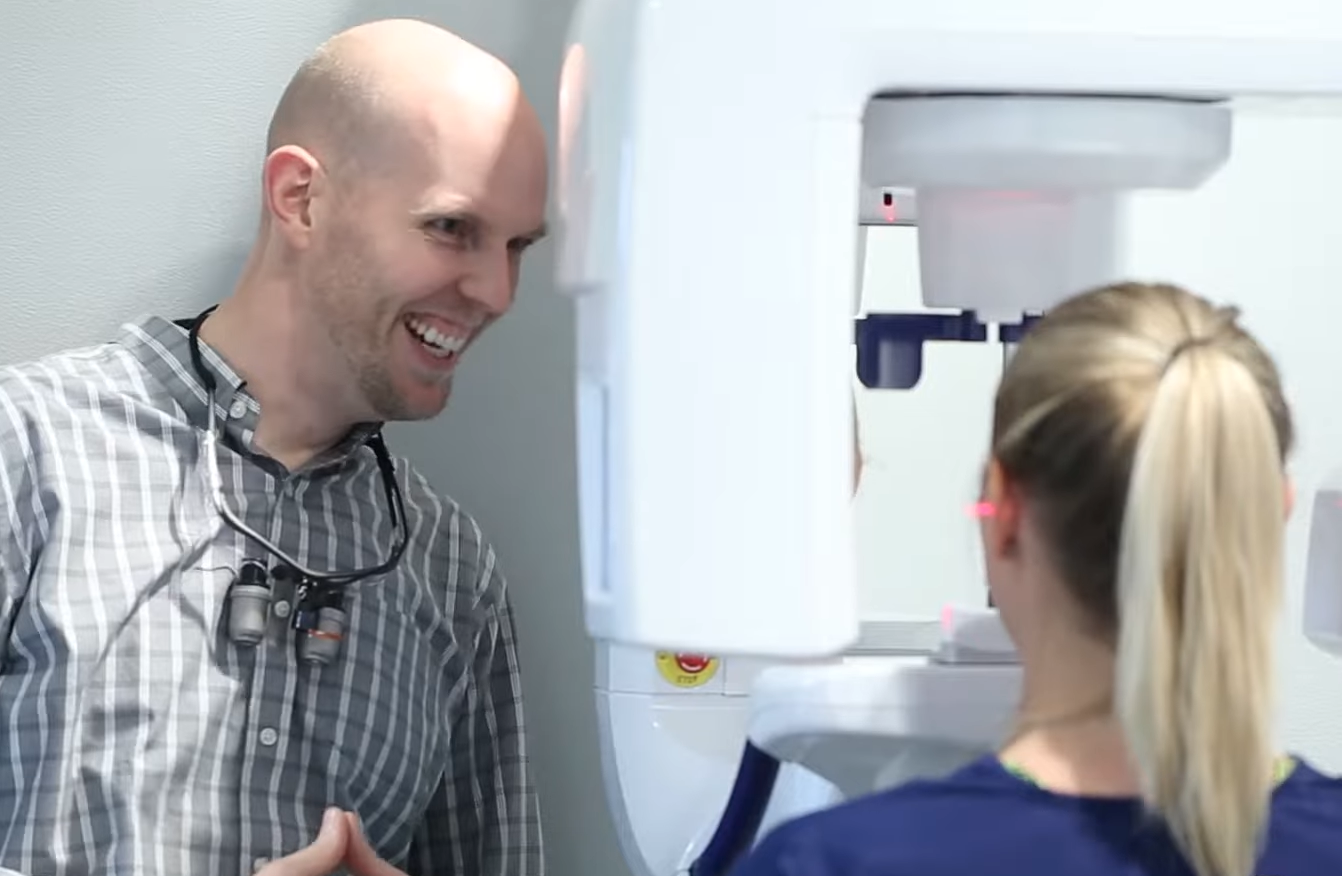
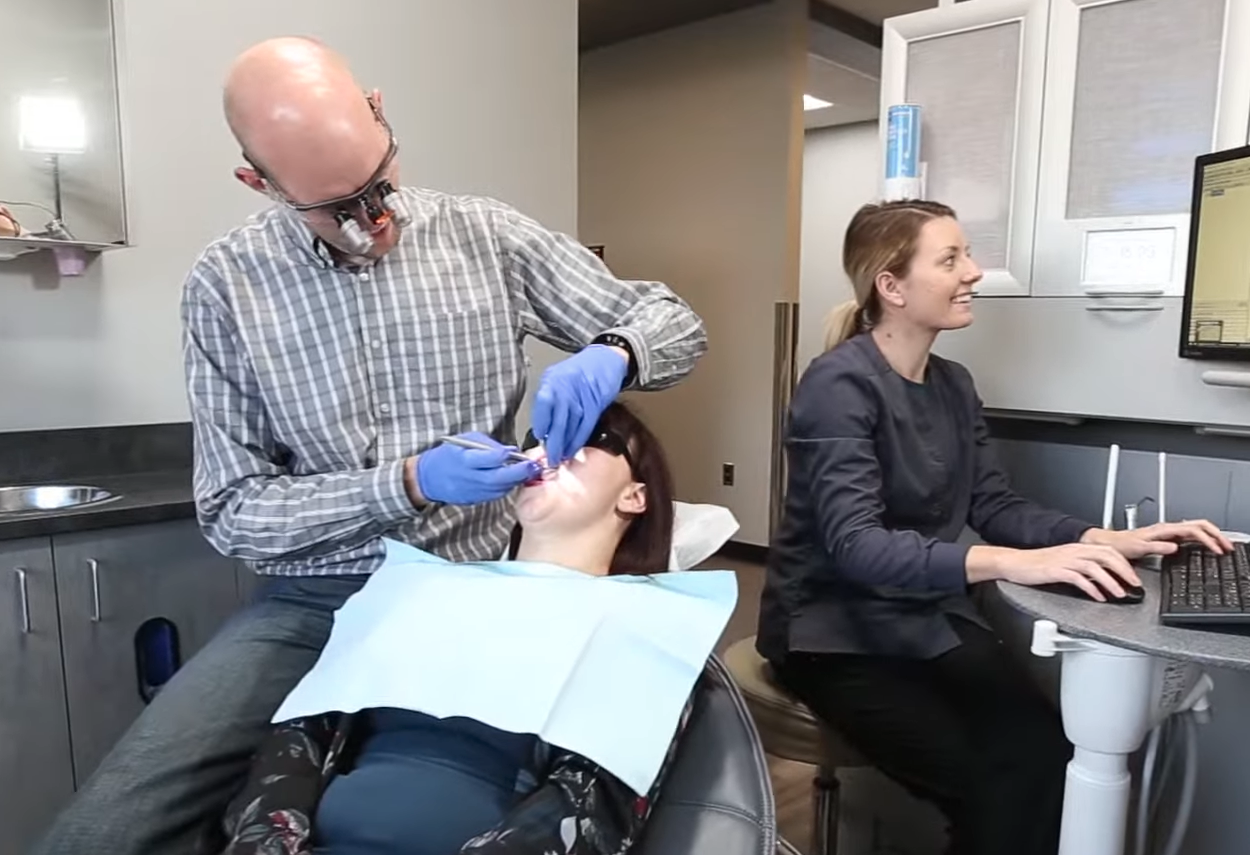
Bitewing X-rays show the space between and beneath teeth that nobody can see by looking. We check the margin of every existing filling by hand at your cleaning, and we compare today's images against your previous ones — because the useful question is not "is there a shadow" but "is this shadow new." A margin that has looked identical for six years is behaving very differently from one that changed since last spring.
Both offices use digital imaging, so the comparison is side by side on a screen and you can see what we are seeing.
What the Repair Looks Like
The answer depends entirely on how much healthy tooth is left once the old filling and the decay beneath it come out. There are four outcomes, and we will tell you which one you are looking at before we start.
A New Filling
Enough solid structure remains to hold a direct restoration. Out with the old, in with the new, done in a single visit. This is the outcome early detection buys you.
An Inlay or Onlay
Too much tooth is gone for a filling to be reliable, but the tooth does not need full coverage. An inlay or onlay is a custom-milled piece that rebuilds the missing part and restores the bite.
A Crown
When the remaining walls are thin enough to fracture, a crown wraps the whole tooth. Our single-visit CEREC crowns are designed and milled in the office, so there is no temporary and no second trip in from Clarkston or Palouse.
Root Canal, Then a Crown
If decay has reached the nerve, root canal therapy clears the infection and saves the tooth, and a crown goes on top to protect it. Modern root canals are far less eventful than their reputation suggests.
Keeping the Fillings You Already Have
You cannot make a filling permanent, but you can make it last a great deal longer, and almost all of the leverage is in two places most people brush straight past.
Clean the margins on purpose. Angle the brush into the gum line rather than scrubbing the flat chewing surface, and floss both contacts of every filled tooth. Those two spots are where recurrent decay begins, so they are the ones worth slowing down for.
Give the enamel a fighting chance. Use a fluoride toothpaste, and ask us about a professional fluoride treatment if you have a history of decay. Keep sugary and acidic drinks to mealtimes instead of sipping through the afternoon. Tell us if your mouth runs dry or you have started a medication that dries it — there are things we can do about that.
Deal with grinding, and keep your checkups. If you wake with a sore jaw or your partner hears the grinding, a nightguard protects every restoration in your mouth. And keep the six-month visits, because the entire point of them is finding this while the fix is still small.
Get an Old Filling Checked in Pullman or Lewiston
If a filled tooth has started catching floss, aching on pressure, or trapping food, book a look at whichever office is closer. Both are open at 7:30am on weekdays, which is early enough to get in before work or before class.

Reviews
What Our Patients Say
Fillings and Decay, Answered
Yes. The filling material itself cannot decay, but the natural tooth around it and underneath it still can. New decay most often starts in the tiny seam where the filling meets the tooth, which dentists call recurrent or secondary decay. A filled tooth can also get a brand new cavity on one of its other surfaces that the filling never covered.
That seam is the weak point. Over years of chewing, a filling can wear, chip, or pull very slightly away from the tooth, and the resulting gap is narrow enough to trap bacteria but too narrow for a toothbrush bristle to clean. Grinding and clenching speed this up, and so does a dry mouth, because saliva is what normally washes that area and helps rebuild enamel.
Usually not at first, which is the whole problem. Decay under a filling is shielded by the filling itself, so it is often painless until it reaches the nerve. By the time a filled tooth aches on its own, the repair needed is frequently larger than a simple new filling. Watch for lingering sensitivity to cold or sweets, a rough or catchy edge, food packing into one spot, or a dull ache when you bite down.
Mostly with bitewing X-rays, which show the areas between and beneath teeth that no one can see by looking. We also check the margins of every existing filling by hand at your cleaning appointment, and we compare today's images against your previous ones so we can tell the difference between something new and something that has been stable for years.
We remove the old filling and the decay beneath it, then rebuild the tooth. If enough healthy structure remains, a new filling is all it takes and you are done in one visit. If too much tooth is gone to hold a filling, an inlay, onlay, or crown restores the shape and strength. If the decay has reached the nerve, root canal therapy saves the tooth before a crown goes on top.
There is no fixed expiry date. Some fillings last decades and some need attention within a few years, depending on how big they are, where they sit in the mouth, how hard you grind, and how well the margins stay sealed. Rather than replacing on a schedule, we watch each one and act when the evidence says to, which is why we compare X-rays over time instead of judging a filling on a single visit.
Clean the margins deliberately. Angle the brush into the gum line and floss the contacts on either side of every filled tooth, since those two spots are where recurrent decay starts. Use a fluoride toothpaste, keep sugary and acidic sipping to mealtimes, tell us if your mouth runs dry or you take a medication that dries it, and wear a nightguard if you grind. Then keep your six-month checkups so we catch anything early.
It can. A crown covers the tooth but still has a margin where it meets natural tooth structure at or near the gum line, and decay can begin there in exactly the same way. Crowns and bridges get the same margin check and the same X-ray comparison at your cleaning that fillings do.
Not Sure How Old Your Fillings Are?
Neither are most people. A checkup with bitewings tells you which ones are fine, which ones we are watching, and which one needs attention now — while the fix is still a filling.
Pullman: (509) 332-2366 · Lewiston: (208) 746-2668
Catch It While It's Still Small
A cavity found on an X-ray is a filling. The same cavity found by a toothache is often a crown. Book the checkup.